
In her book, How to Be Sick, Toni Bernhard offers the reader many helpful tools as she chronicles her story of living with chronic illness. I was particularly struck by the “Broken Glass Practice” she describes in chapter four. In this practice, one acknowledges that nothing in this life is permanent or unchanging by shifting one’s response to unwelcome life events. As Bernhard says, this practice helps her to “live gracefully with the truth of uncertainty and unpredictability” (Bernhard, p. 33).
The broken-glass-practice acknowledges that everything, at some point, will break, die, or change. As Buddhist teachings repeatedly assert, the world is constantly in flux and is not permanent. If we act and respond like it is, we will suffer. So instead of becoming frustrated or angry when one’s favorite dish breaks, or the car won’t start, or the mail is delayed by a storm – this practice suggests an alternate response of acknowledging that “it was already broken.” If it did not break then it would break at a later time.
I spent a week taking my camera on my walks around Richmond and San Rafael, California. As I walked, I held as a mantra the phrase: “It was already broken.” On these walks I practiced having a different stance towards the brokenness and disrepair I encountered. My findings are recorded in this photo essay.
It was already broken.
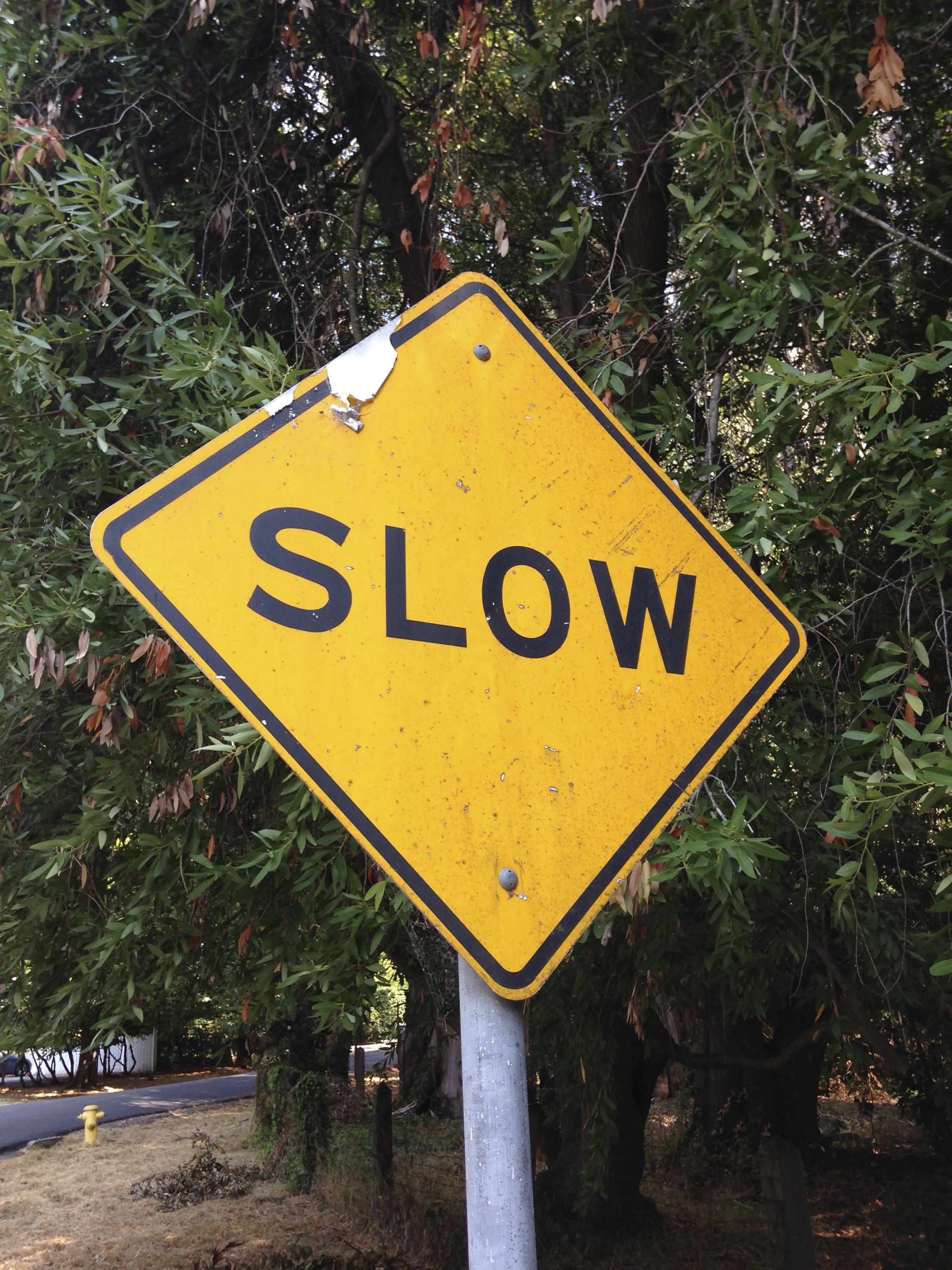
Locust Avenue, San Rafael
It was already broken.

My home, Richmond
It was already broken.

33rd Street, Richmond
It was already broken.

Clinton Avenue Baptist Church, Richmond
It was already broken.

My home, Richmond
It was already broken.
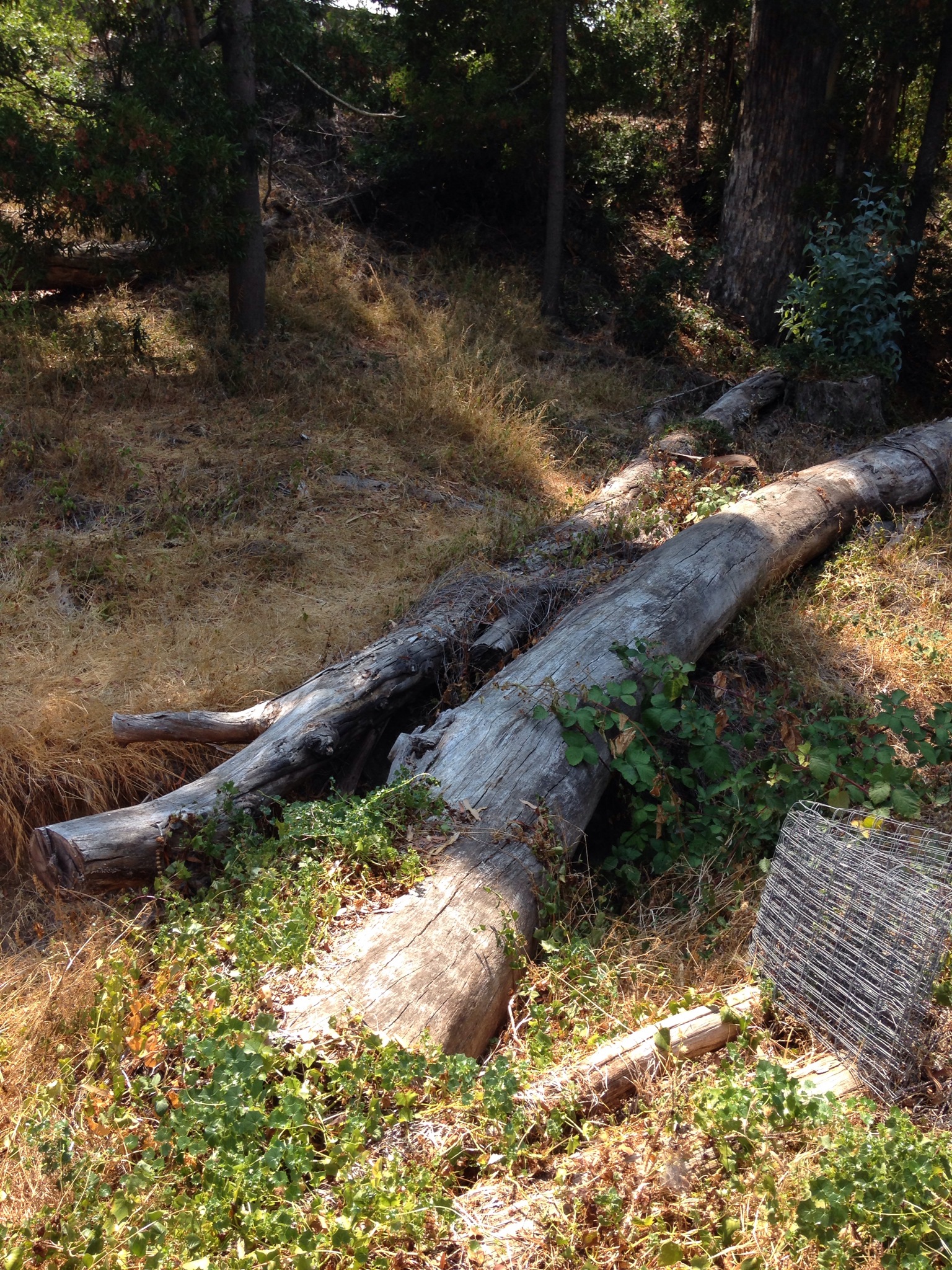
Gold Hill Grade, San Rafael
It was already broken.
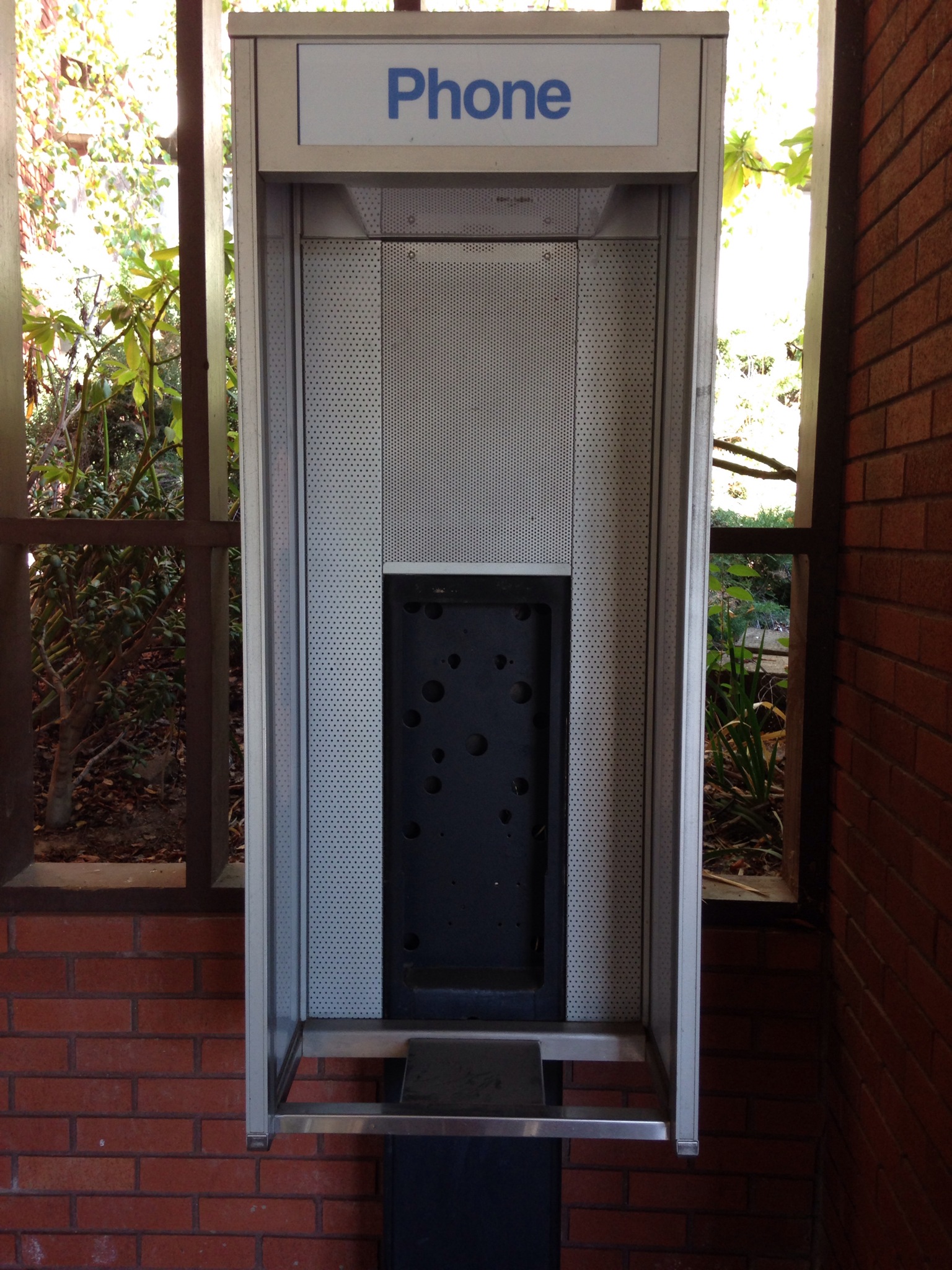
Pennefort Hall, Dominican University, San Rafael
It was already broken.
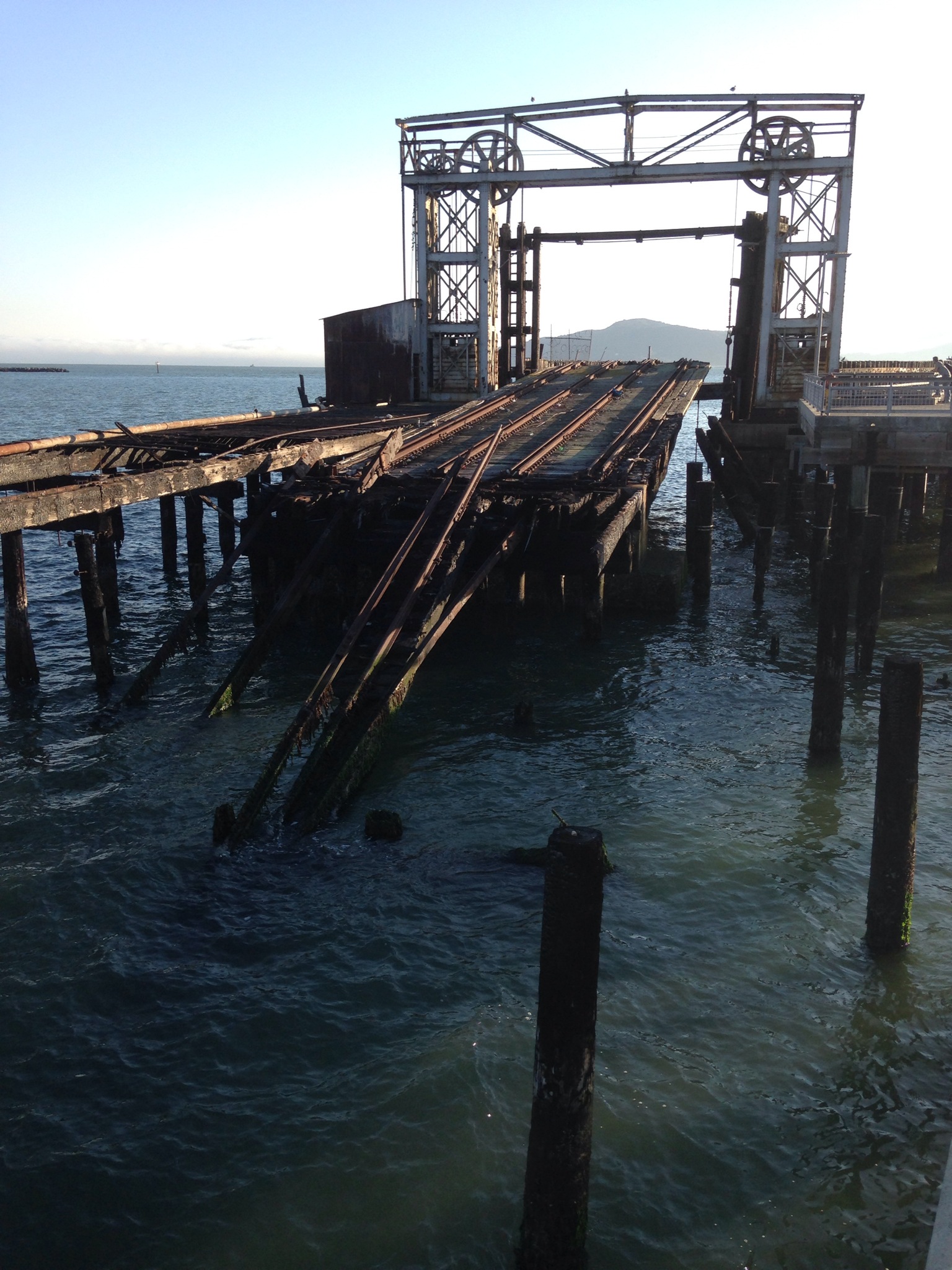
Richmond Ferry Terminal
It was already broken.
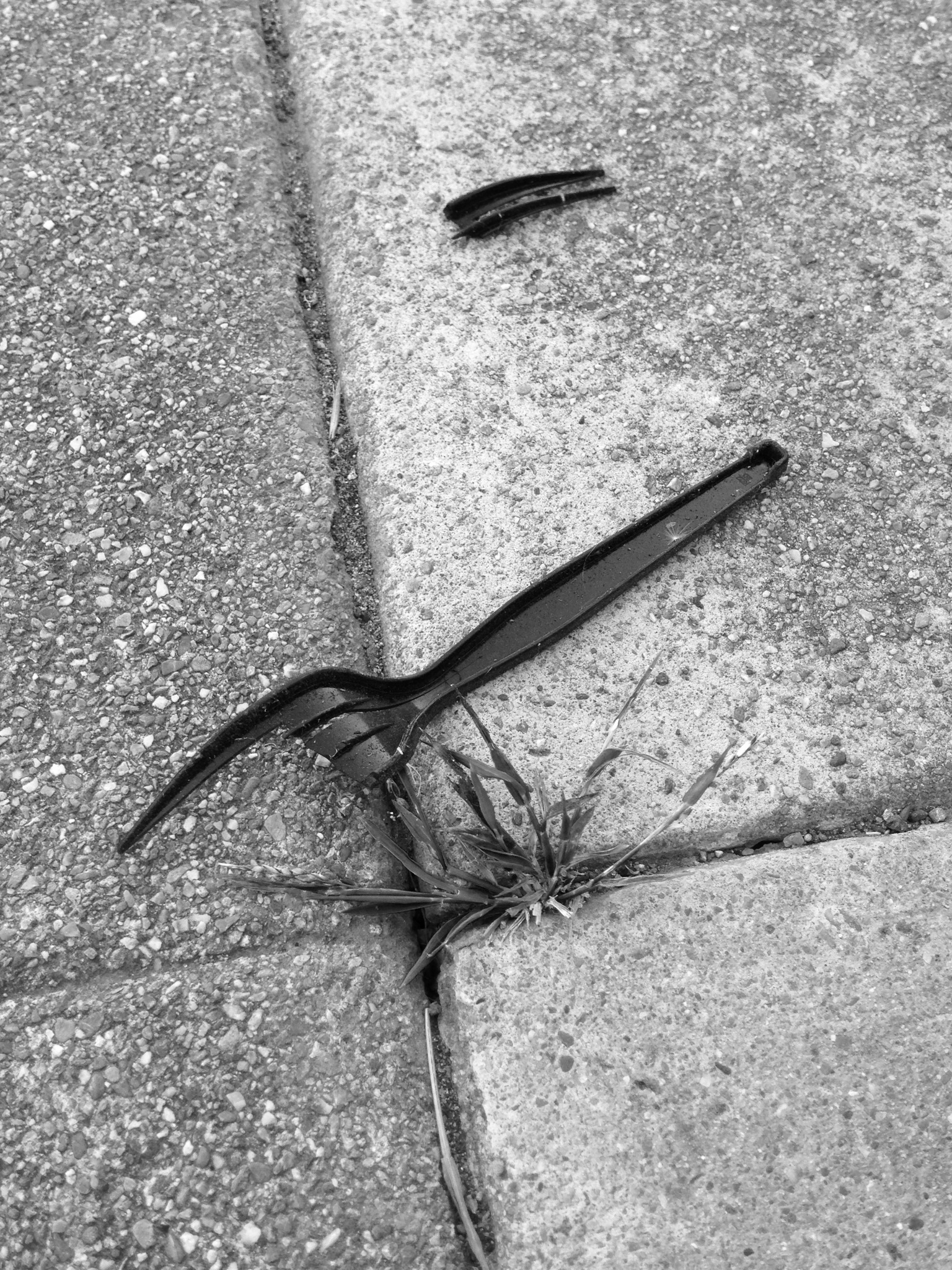
Roosevelt Avenue, Richmond
It was already broken.
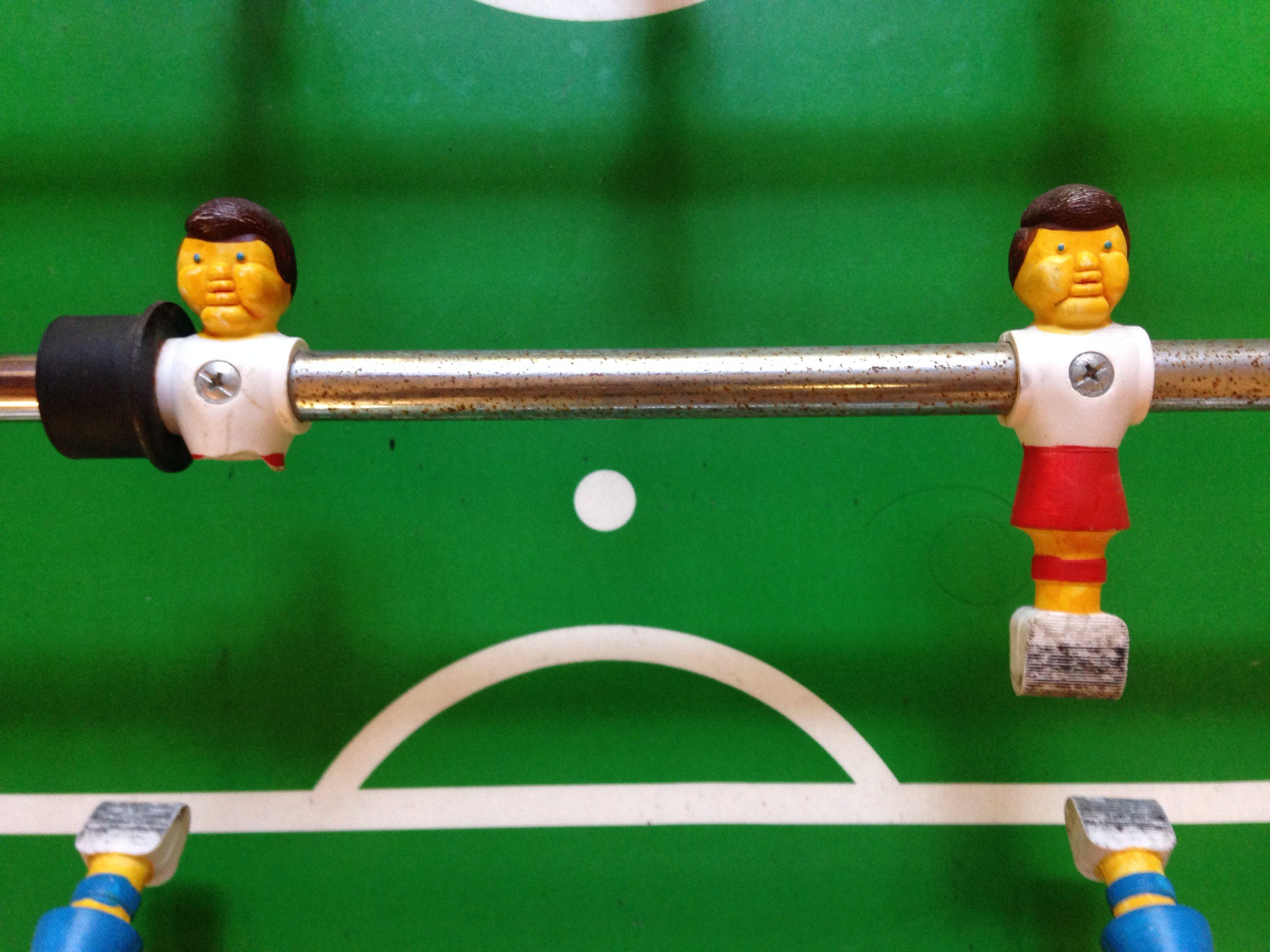
Dominican University Student Lounge, San Rafael
It was already broken.
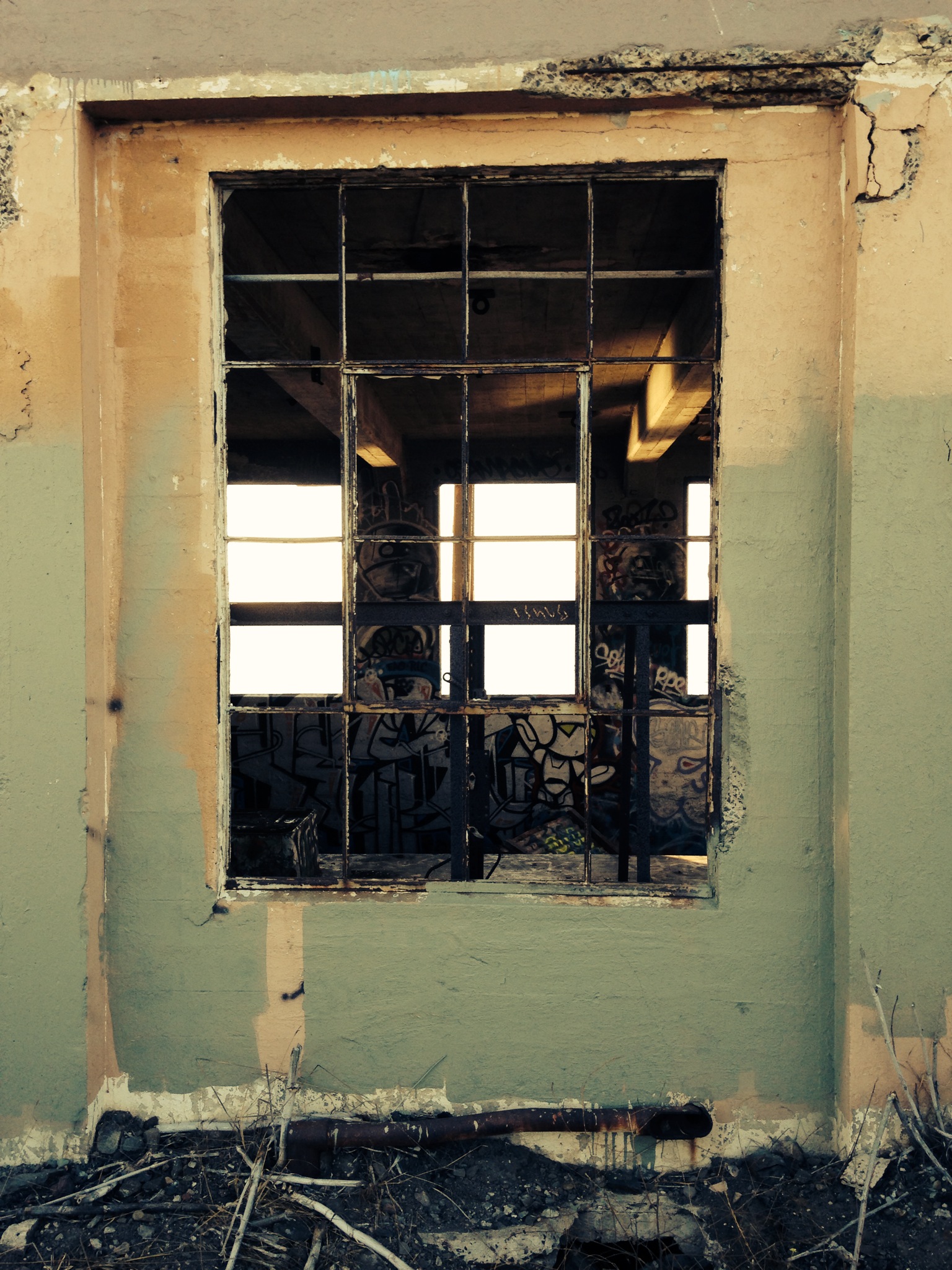
Richmond Ferry Terminal
It was already broken.
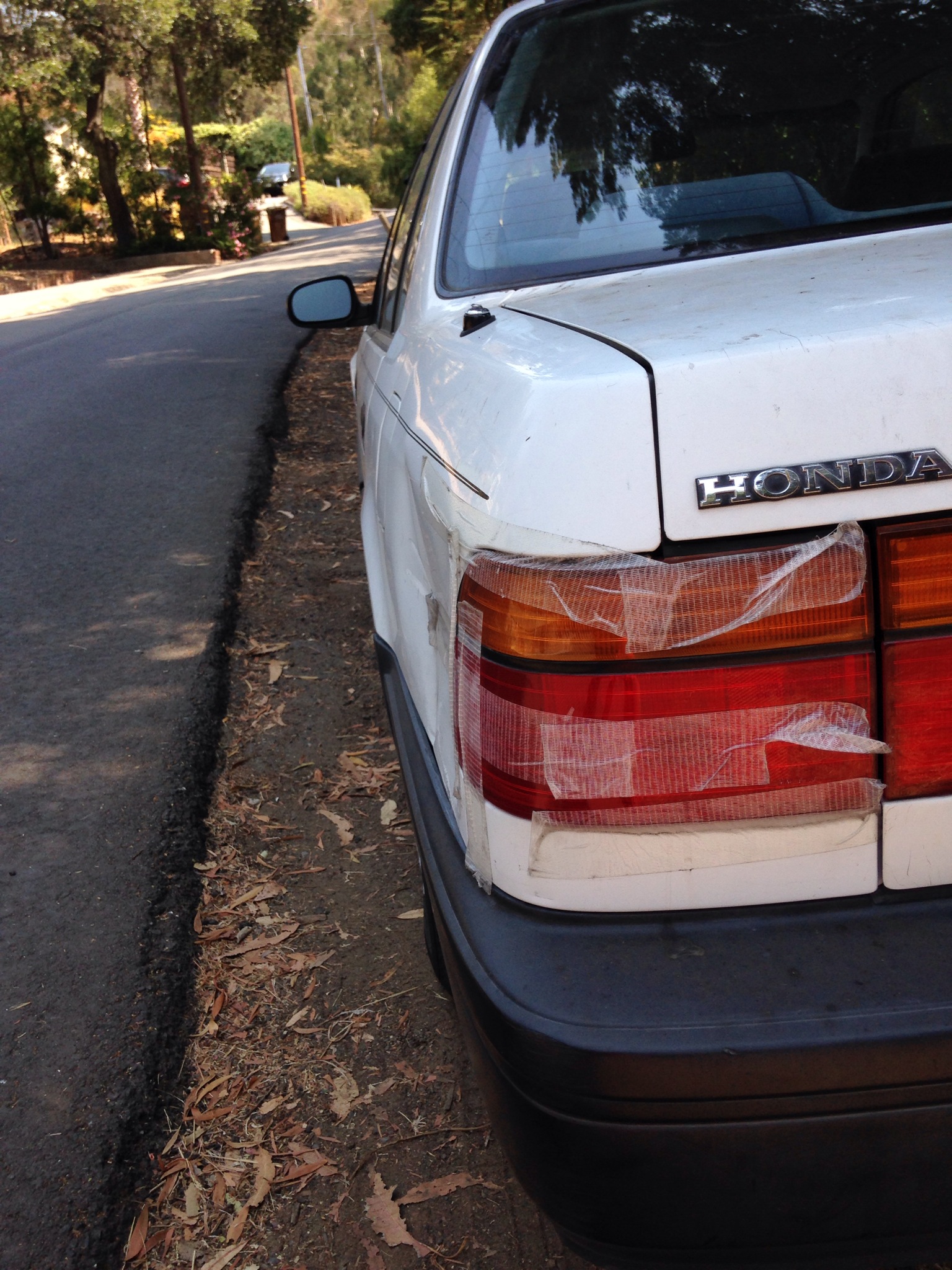
Locust Avenue, San Rafael
It was already broken.

33rd Street, Richmond
It was already broken.
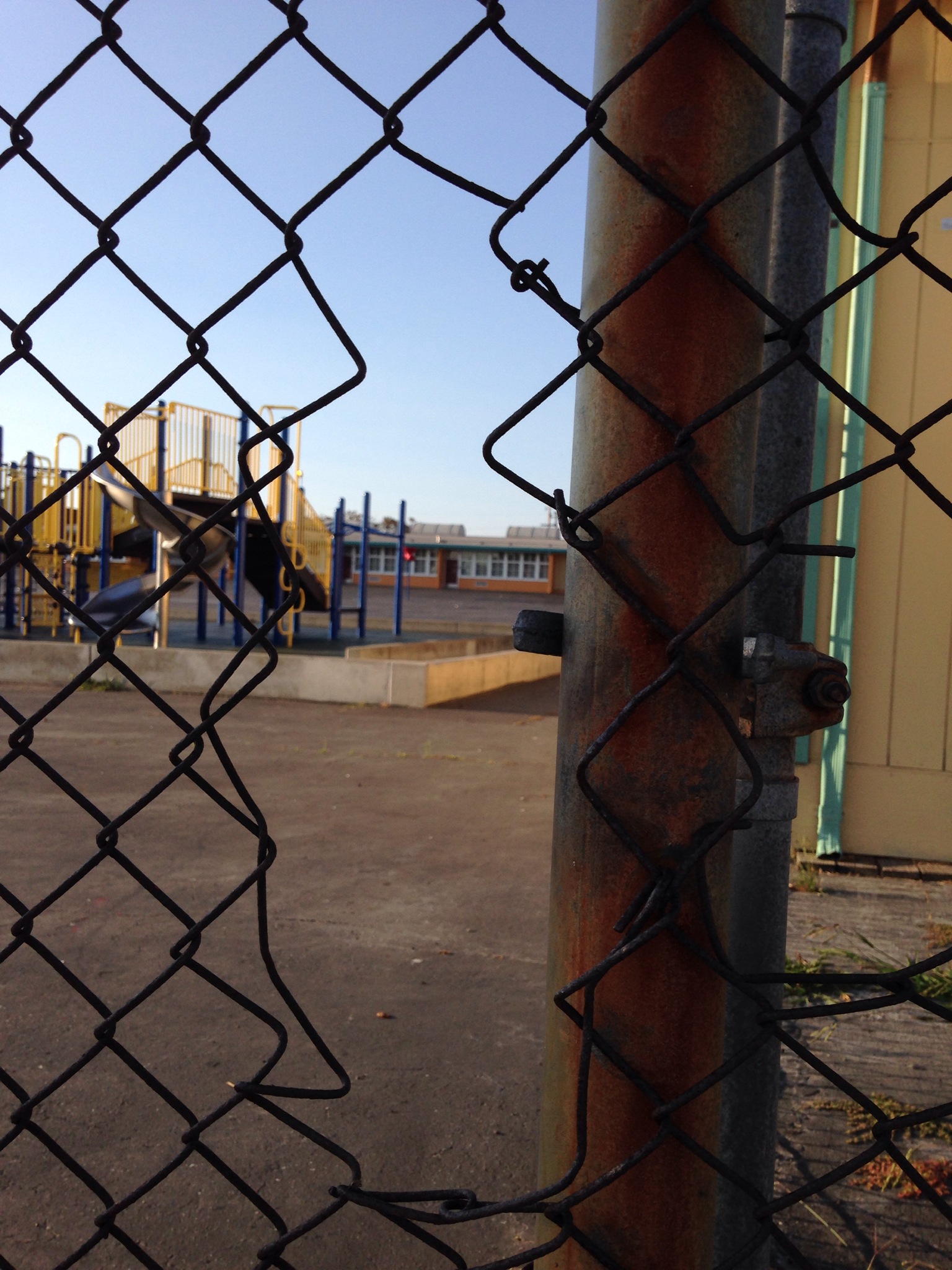
Grant Elementary School, Richmond
It was already broken.

Miller/Knox Shoreline, Richmond
 Katherine Kunz, Ph.D.